
Renters Insurance Ohio — Average Costs by City and 6 Cheapest Companies in 2026
Renters insurance in Ohio averages $14/month ($166/year) — below the national average. Cincinnati Insurance is Ohio’s cheapest insurer at $6/month. Columbus averages $13–15/month. Ohio law does not require renters insurance, but most landlords do.
- Renters insurance in Ohio costs $14/month on average — cheaper than the US national average of $14–$20/month, with some providers starting as low as $6/month
- Ohio has no state law requiring renters insurance, but most Ohio landlords and apartment complexes require $100,000 minimum liability coverage as a lease condition
- Ohio-specific risks like tornadoes in western Ohio, ice storms, and basement flooding near the Scioto and Cuyahoga rivers make renters insurance especially important for Ohio tenants
Renters insurance in Ohio does not cover flood damage — even in cities like Columbus and Dayton where the Scioto and Great Miami rivers have caused repeated flooding events. Ohio experienced multiple federally declared flood disasters in the past decade. If your rental is near any waterway or sits in a low-lying area, a separate NFIP flood policy is essential. Standard renters insurance Ohio policies also exclude earthquake damage and routine sewer backup unless you add a water backup endorsement.
| Company | Ohio Monthly Avg | Ohio Annual Avg | Best For |
|---|---|---|---|
| ★Cincinnati Insurance | $6/mo | $75/yr | Cheapest in Ohio overall |
| USAA | $10/mo | $120/yr | Military families only |
| Erie Insurance | $12.50/mo | $150/yr | Best local Ohio agents |
| State Farm | $13/mo | $156/yr | Best bundle + all cities |
| Lemonade | $10–$15/mo | From $120/yr | Fastest quotes — digital |
| Allstate | $21.50/mo | $258/yr | Complex coverage needs |
Rate data from The Zebra, Agency Height and ValuePenguin 2026. Based on $30,000 personal property, $100,000 liability, $500 deductible. Rates vary by ZIP code, credit score, claims history and coverage level. Always compare at least 3 quotes.
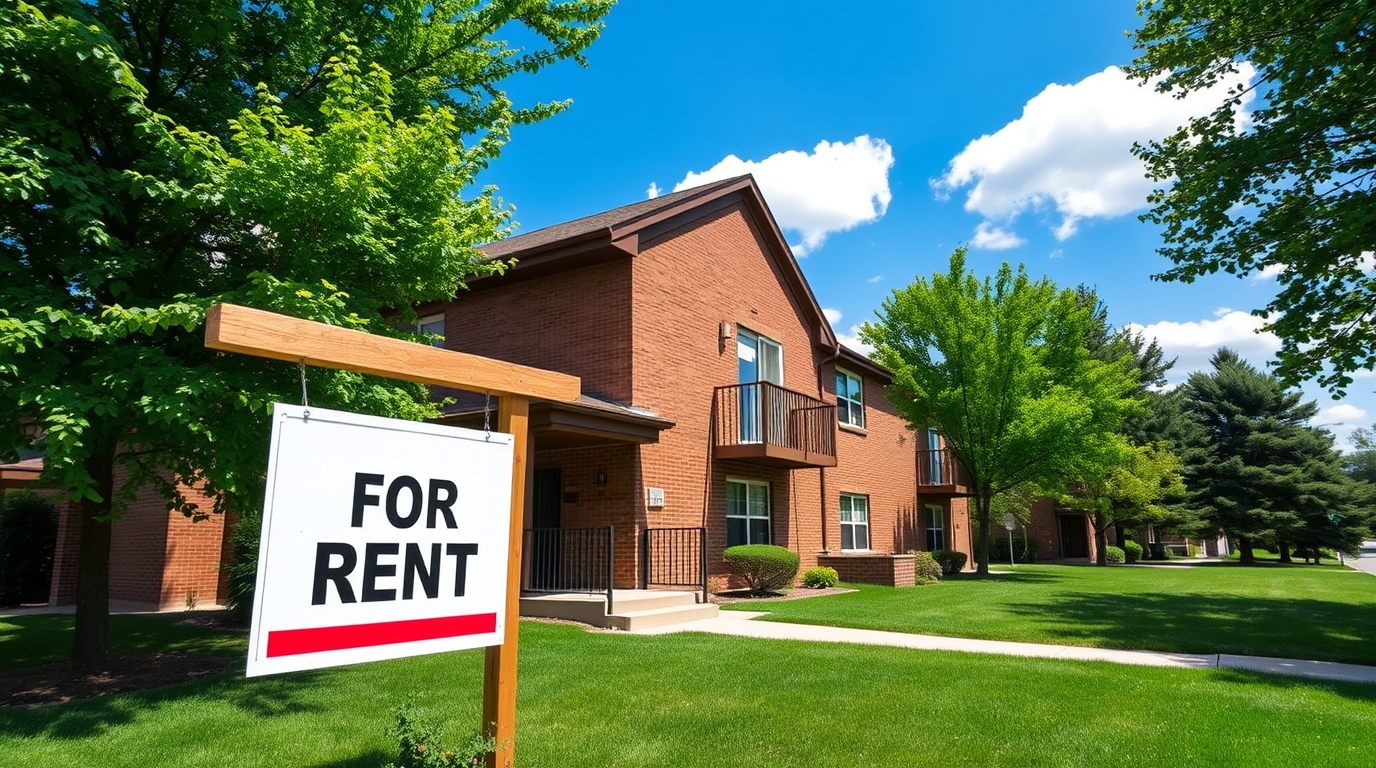
Renters Insurance Ohio From $6/Month
Ohio renters get a better deal on renters insurance than most of the country. The statewide average sits at $166 per year — below the US national average — and Cincinnati Insurance offers Ohio’s cheapest renters insurance policy at just $6/month ($75/year). But cheap does not mean simple. Ohio’s tornado corridor, river flooding risk, and city-to-city crime rate variation mean the right policy for a Columbus renter looks different from what a Cleveland or Cincinnati renter actually needs.
This complete guide to renters insurance in Ohio covers average costs by city, the six cheapest companies with real 2026 rates, Ohio-specific risks, what your landlord can legally require, and how to get the best renters insurance Ohio quotes without overpaying.
If you are new to renters insurance entirely and want to understand what personal property coverage, liability, and loss of use actually mean before comparing prices, start with our Complete Renters Insurance Guide — it covers everything from ACV vs replacement cost to how claims work. Then come back here for the Ohio-specific numbers.
How Much Is Renters Insurance in Ohio?
The average cost of renters insurance in Ohio ranges from $170 to $240 per year, which breaks down to roughly $14–$20 per month. That is modestly below the US national average of $170/year for a basic policy, making Ohio renters insurance one of the more affordable options in the Midwest.
Cincinnati Insurance offers the most affordable renters insurance in Ohio at only $75 yearly — a 55% discount compared to the state average rate of $166.
Some companies in Ohio even offer basic policies starting as low as $6–$12 per month, especially for renters with strong credit and no prior claims. State Farm has the lower monthly premium at $13.04, compared with Allstate’s $21.50.
Ohio Renters Insurance Cost by Coverage Level
| Coverage Level | Monthly Rate | Annual Rate |
|---|---|---|
| $15,000 property / $100,000 liability | $10–$12/mo | $120–$144/yr |
| $30,000 property / $100,000 liability | $14–$16/mo | $166–$192/yr |
| $50,000 property / $300,000 liability | $22–$28/mo | $264–$336/yr |
| $75,000 property / $300,000 liability | $30–$38/mo | $360–$456/yr |
Source: The Zebra Ohio renters insurance analysis 2026, Agency Height Ohio rates 2026
Renters Insurance Ohio: City-by-City Rates
Where you live in Ohio has a direct impact on your Ohio renters insurance premium. Crime rates, weather exposure, and local claims history all feed into ZIP-code-level pricing.
Renters insurance in Columbus, the state’s largest city, averages about $28 per month. The same is true of Cincinnati, where the average rate is $27 per month. The cheapest rates among Ohio’s larger cities are in Middletown, which sits between Cincinnati and Dayton — the average rate in Middletown is $21 per month.
Columbus renters typically pay $13–$15 monthly — popular with Ohio State University students and young professionals. Cleveland runs slightly higher at $14–$16 monthly.
| Ohio City | Monthly Average | Annual Average | Key Risk Factor |
|---|---|---|---|
| Columbus | $13–$28/mo | $156–$336/yr | Property crime, Scioto flooding |
| Cleveland | $14–$16/mo | $168–$192/yr | Lake Erie storms, urban theft |
| Cincinnati | $27/mo | $324/yr | River flooding, hail |
| Toledo | $10–$12/mo | $120–$144/yr | Lower crime, affordable |
| Akron | $10–$12/mo | $120–$144/yr | Lower crime, affordable |
| Dayton | $12–$16/mo | $144–$192/yr | Tornado corridor exposure |
| Strongsville | ~$12/mo | $149/yr | Lowest avg among large cities |
| Middletown | ~$21/mo | $252/yr | Between Cincinnati and Dayton |
Source: ValuePenguin Ohio city rates, The Zebra Ohio rates, Clearsurance Ohio 2026
Why Columbus rates show such a wide range: The difference between $13/month and $28/month in Columbus comes down to coverage level. The lower figure is a basic $15,000 property policy. The higher figure reflects $30,000 in property coverage at the state average level. Always compare the same coverage level across providers — not just the headline monthly rate.
6 Best and Cheapest Renters Insurance Companies in Ohio
1. Cincinnati Insurance — Cheapest in Ohio
Cincinnati Insurance is Ohio’s cheapest renters insurance provider at just $75/year ($6/month). This compares favorably to the state average rate of $166, offering a 55% discount on average policy costs statewide.
Cincinnati Insurance is a regional carrier with deep Ohio roots, strong financial stability, and an A+ AM Best rating. Policies are sold through independent agents rather than online direct, which means you need to contact a local agent for a quote. That extra step is worth it for renters who prioritise cost above all else.
Best for: Budget-conscious Ohio renters in any city who are willing to work through an independent agent. Not available as a direct online purchase.
2. Erie Insurance — Best Local Ohio Option
Erie provides coverage averaging $12.50 per month in Ohio. Discounts include multi-policy bundles, protective devices, and safe renter incentives. Optional endorsements can cover identity theft, higher limits on valuables, and business-related items. With a strong local agent network, Erie ensures policies reflect Ohio-specific risks while remaining affordable.
Erie’s J.D. Power score of 705/1,000 and its deep Ohio presence make it the best option for renters who want a local agent relationship rather than a purely digital experience. Erie agents in Columbus, Cleveland, and Cincinnati are familiar with neighbourhood-specific risks like flooding near the Scioto River or elevated theft in certain urban ZIP codes.
Best for: Ohio renters who want local agent access, personalised coverage, and competitive pricing.
3. State Farm — Best for Bundling Auto and Renters
State Farm averages $13.04/month in Ohio for standard renters insurance. Its real strength is bundling — combining your Ohio renters policy with a State Farm auto policy produces significant multi-line discounts on both. For Ohio drivers who already insure their car with State Farm, adding renters insurance often costs $0–$5/month net after the auto discount kicks in.
State Farm is available statewide, offers both online management and local agents, carries an A++ AM Best financial strength rating, and handles claims consistently across all Ohio cities. If you are comparing State Farm vs other providers for both auto and renters, our AAA vs Progressive comparison explains exactly how bundling math works when combining renters with auto coverage.
Best for: Ohio renters who own a car — the bundling discount frequently makes State Farm the cheapest total bill.
4. Lemonade — Best for Fast Digital Quotes
The average estimated cost of Lemonade renters insurance in Ohio ranges from roughly $10 to $15 a month as of 2026. Lemonade’s Ohio quoting process takes under 90 seconds through its app — you answer a few questions, select coverage levels, and receive a binding quote immediately.
Lemonade pays most simple claims instantly through its AI-powered app, making it the fastest claims experience available in Ohio. The company carries strong financial backing and has expanded significantly in Ohio over the past two years.
Limitation: Lemonade is not available in every Ohio ZIP code. Verify availability before investing time in a quote.
Best for: Ohio renters — especially Columbus students and young professionals — who want the fastest possible quote and digital-first claims experience.
5. USAA — Best for Ohio Military Families
USAA is the gold standard for military families, offering policies tailored to deployments, PCS moves, and military-specific risks. Recent data shows Ohio renters are saving an average of 45% with $10 monthly premiums.
USAA’s Ohio renters insurance averages $10/month and includes some coverage features not found elsewhere — including continued coverage during overseas deployments and no deductible for certain military-related losses.
Best for: Active duty military, veterans, and their immediate family members stationed in or from Ohio. Not available to the general public.
6. Allstate — Best for High-Value Belongings
Allstate’s Ohio average sits at $21.50/month — above the state average — but its endorsement options make it the right choice for Ohio renters with expensive belongings. Allstate offers scheduled personal property coverage for high-value items like jewellery, musical instruments, and camera equipment that exceed standard policy sub-limits.
Allstate offers dependable renters coverage in Ohio starting around $4/month for minimal coverage, though most comprehensive policies run higher. Allstate also offers a retiree discount (55+), a claim-free discount, and an easy pay plan discount for automatic payments.
Best for: Ohio renters with expensive electronics, jewellery, or collectibles who need broader coverage than budget providers offer.
Ohio Renters Insurance: State Law and Landlord Requirements
Is renters insurance required by Ohio law?
There is no state law in Ohio requiring that you get renters insurance. However, it is required by law that you comply with your lease. So if your lease terms include having renters insurance, you will want to make sure you are covered.
Most Ohio apartment complexes require minimum liability coverage of $100,000 and may request to be listed as an interested party on your policy. Student housing near Ohio State, Cincinnati, and other universities almost always requires proof of coverage before move-in.
This is an important distinction. Ohio law does not mandate renters insurance in Ohio statewide. But if your lease requires it — and most Columbus, Cleveland, and Cincinnati apartment leases do — failing to maintain coverage is a lease violation that can result in eviction proceedings.
What Ohio landlords can legally require:
Ohio landlords can include any reasonable insurance requirements in a lease, provided they are disclosed before signing. Common requirements include:
- Minimum $100,000 personal liability coverage
- Landlord listed as an “interested party” (notified if you cancel or lapse)
- Proof of coverage submitted before move-in and at each lease renewal
- Policy must cover the full lease term
Ohio landlords cannot require you to use a specific insurer or purchase coverage through them. You are free to shop any licensed Ohio insurer.
Ohio-Specific Risks That Make Renters Insurance Essential
Ohio’s risk profile is more complex than most renters expect. Ohio’s risk profile includes severe thunderstorms, tornadoes (particularly in the western half of the state) and winter storms. Severe hailstorms have caused widespread roof damage across Columbus and Cincinnati metro areas. Ice storms create costly structural problems.
Tornado Risk
Ohio sits on the eastern edge of Tornado Alley. The state experiences severe weather including tornadoes, ice storms, and flooding near major waterways. Urban areas like Columbus and Cleveland also see higher property crime rates than rural areas.
Western Ohio — including Dayton, Lima, and the surrounding counties — carries the highest tornado frequency in the state. Standard Ohio renters insurance covers wind damage from tornadoes. However, flooding that follows a tornado is still excluded under standard renters policies — only the direct wind damage is covered.
River Flooding in Columbus and Dayton
Columbus sits at the confluence of the Scioto and Olentangy rivers. Dayton sits on the Great Miami River. Both cities have experienced significant flood events — and standard renters insurance in Ohio does not cover flood damage from rising water regardless of the cause.
Ohio renters in flood-prone neighbourhoods — including parts of Franklinton in Columbus and multiple Dayton districts — should pair their renters policy with an NFIP flood policy. NFIP flood insurance for renters (covering contents only) typically costs $100–$300/year through the National Flood Insurance Program.
Lake Erie Winter Storms
Cleveland and northern Ohio cities face lake-effect snow from Lake Erie that produces ice accumulation, burst pipes, and roof damage. Ice dam damage to your personal property (water intrusion from a failing roof) is typically covered under renters insurance as a water damage peril from a sudden event.
Ohio Property Crime Rates
Columbus and Cleveland rank among Ohio’s highest property crime cities. According to FBI Uniform Crime Reporting data, Columbus has a property crime rate approximately 30% above the Ohio state average. Renters insurance covers theft whether it occurs inside your apartment, from your car, or during travel — a critical protection for urban Ohio renters.
Ohio College Students: Renters Insurance Is Not Covered by Your Parents
Ohio State University, University of Cincinnati, and Case Western students living off-campus are not covered by parents’ homeowners policies and need their own coverage for electronics, textbooks, and furniture. Student renters insurance in Ohio typically costs $10–$15 monthly and covers laptops, textbooks, electronics, and furniture. Many carriers offer student discounts that can reduce premiums by 10–15%.
The critical point: your parents’ homeowners insurance may provide limited off-premises coverage while you are a full-time student living in a dorm. Once you move to an off-campus apartment, that parental coverage evaporates entirely. You need your own Ohio renters insurance policy from the day you sign your first off-campus lease.
For OSU students in Columbus, Lemonade and State Farm both offer the fastest digital quote-and-bind process — most students are covered within 10 minutes. For Cincinnati and Case Western students, Erie’s local agents are the most familiar with student neighbourhood risk factors.
How to Get the Cheapest Renters Insurance Quotes in Ohio
Get at Least 3 Ohio Renters Insurance Quotes
Rate variation between insurers for identical renters insurance Ohio coverage is enormous. Cincinnati Insurance’s $75/year versus Allstate’s $258/year for comparable coverage is a $183 annual gap — purely from insurer choice. Always compare a minimum of three quotes before purchasing.
Online tools to get renters insurance Ohio quotes:
- Lemonade — 90-second online quotes
- The Zebra — multi-insurer comparison
- NerdWallet — side-by-side comparison
Bundle With Your Ohio Auto Insurance
If you drive in Ohio, bundling renters insurance with your existing auto insurer is the fastest way to cut both bills. State Farm, Allstate, Progressive, and GEICO all offer multi-policy discounts of 5–20%. Our AAA vs Progressive breakdown shows exactly how bundling math plays out for Ohio drivers weighing those two specific carriers.
Choose Replacement Cost Over Actual Cash Value
Ohio renters on a tight budget often choose Actual Cash Value (ACV) policies to save $10–$20/year. This is almost always the wrong trade-off. ACV pays you the depreciated value of your belongings — meaning a three-year-old MacBook stolen from your Columbus apartment might pay out $500 instead of $1,300. Replacement cost coverage pays the full current replacement price. For Ohio renters with modern electronics, the upgrade is worth the small premium difference.
Add Sewer Backup Coverage
Ohio’s older housing stock — particularly in Cleveland, Akron, and older Columbus neighbourhoods — is prone to sewer backup events that standard renters policies exclude. A water backup endorsement typically adds $5–$15/month to your Ohio renters insurance premium and covers damage from backed-up drains, sewers, and sump pump failures. For Ohio renters in basement apartments or older homes, this endorsement is not optional.
Real-World Case Study: Ohio Renter Loses $8,400 Without Renters Insurance
Danielle, 26, rented a first-floor Columbus apartment near Franklinton — one of the neighbourhoods closest to the Scioto River. She had no renters insurance in Ohio because she assumed the risk was low.
In February 2025, a burst pipe in her building’s ceiling flooded her apartment. No river flooding was involved — just an internal plumbing failure. Water destroyed her television, a work laptop, her sofa, and saturated her bedroom closet of clothing.
Danielle’s uninsured losses:
| Item | Replacement Cost |
|---|---|
| 65-inch TV | $750 |
| Dell XPS laptop (work) | $1,299 |
| Winter clothing (closet) | $1,400 |
| Sofa and armchair | $1,200 |
| Bedding and linens | $380 |
| Temporary hotel (6 nights) | $840 |
| Food costs above normal (no kitchen) | $290 |
| Storage unit (1 month) | $120 |
| Total out-of-pocket | $6,279 |
Her building’s landlord insurance covered the ceiling repair. Danielle’s belongings, her hotel, and her food costs were entirely her responsibility.
State Farm’s standard renters insurance Ohio policy in Columbus would have cost her approximately $13/month ($156/year). Three years of coverage she skipped cost her $468 in premiums she never paid — against $6,279 in a single loss event.
Frequently Asked Questions
How much is renters insurance in Ohio per month?
Renters insurance in Ohio averages $14/month ($166/year) for a standard policy with $30,000 in personal property and $100,000 in liability coverage. The cheapest Ohio option is Cincinnati Insurance at $6/month ($75/year). State Farm averages $13/month. Lemonade ranges $10–$15/month depending on your city and coverage level.
What is the cheapest renters insurance in Ohio?
Cincinnati Insurance is Ohio’s cheapest renters insurance provider at $75/year ($6/month), according to The Zebra’s 2026 Ohio rate analysis. USAA is $10/month but only available to military families. Erie Insurance averages $12.50/month and is widely available across Ohio through local agents.
Is renters insurance required in Ohio?
Ohio state law does not require renters insurance. However, most Ohio landlords — particularly apartment complexes in Columbus, Cleveland, and Cincinnati — require it as a lease condition. If your lease requires renters insurance and you let your policy lapse, your landlord can pursue lease violation proceedings.
What does renters insurance cover in Ohio?
Standard Ohio renters insurance covers personal property (theft, fire, smoke, burst pipes, vandalism, windstorm), personal liability (injury lawsuits, property damage you cause), and additional living expenses (hotel and food costs if a covered event forces you out temporarily). It does not cover flood damage, earthquake damage, or your roommate’s belongings.
Does renters insurance cover tornado damage in Ohio?
Yes. Wind damage from tornadoes is a covered peril under standard renters insurance in Ohio. Damage to your personal property from a tornado is covered. However, flooding that occurs after a tornado is not covered — that requires a separate NFIP flood policy. If you live in western Ohio’s tornado corridor, confirm your policy’s wind and water coverage language carefully.
Does renters insurance in Ohio cover sewer backup?
Not automatically. Sewer backup and water backup from drains or sump pump failures are excluded from most standard policies. Ohio’s older housing stock makes this a significant gap for many renters. A water backup endorsement adds $5–$15/month and is strongly recommended for Ohio renters in older buildings or basement units.
How do I get the best renters insurance Ohio quotes?
Get at least three quotes for identical coverage levels — same property limit, same liability limit, same deductible. Use Lemonade for the fastest digital quote, The Zebra or NerdWallet for multi-insurer comparison, or contact a local Erie or Cincinnati Insurance agent for Ohio-specific pricing. Bundle with your auto insurer if you drive — the combined discount often reduces your total bill significantly.
Do Ohio college students need their own renters insurance?
Yes. OSU, University of Cincinnati, Case Western, and all other Ohio university students living off-campus need their own renters insurance policy. Parents’ homeowners insurance may cover some belongings in a dorm, but coverage for off-campus apartments is excluded. Most student apartment complexes in Ohio require proof of renters insurance before move-in. Lemonade and State Farm offer the fastest quote-and-bind process for students.
How much renters insurance do I need in Ohio?
Most Ohio renters need $30,000–$50,000 in personal property coverage and $100,000–$300,000 in liability. Do a quick inventory of everything you own — electronics, furniture, clothing, sports equipment — and total the replacement costs. Most renters are surprised to find their belongings exceed $25,000 in replacement value. For liability, $300,000 is the recommended level and typically costs $1–$2/month more than $100,000.
Can my Ohio landlord require a specific renters insurance company?
No. Ohio landlords can require that you carry renters insurance with specific minimum limits and name them as an interested party, but they cannot legally require you to purchase coverage from a particular insurer. You are free to choose any licensed Ohio insurer.
The Verdict
Ohio renters insurance is genuinely affordable — one of the cheaper states in the country for renters coverage. At $6/month through Cincinnati Insurance and $13/month through State Farm, the barrier to entry is lower than almost anywhere in the US.
The right choice for most Ohio renters is straightforward: if you own a car, start with your auto insurer and ask about bundling. If you want the cheapest possible standalone policy, contact a Cincinnati Insurance agent or get a Lemonade quote online. If you want local agent access and Ohio-specific expertise, Erie is the strongest regional option.
What is never the right choice: skipping renters insurance entirely. Ohio’s tornado corridor, river flooding risk near Columbus and Dayton, Lake Erie winter storms, and above-average urban property crime in Columbus and Cleveland create real, specific risks that $13/month of coverage eliminates.
For a full breakdown of what renters insurance covers nationally, how to choose between ACV and replacement cost, and a complete provider comparison across all 50 states, visit our Complete Renters Insurance Guide.
Source Verification Table
| Source | Used For | Link |
|---|---|---|
| The Zebra (2026) | Cincinnati Insurance $75/yr cheapest Ohio, state avg $166 | thezebra.com |
| Agency Height (2026) | $14–$20/mo Ohio avg, State Farm $13.04, Allstate $21.50, Erie $12.50 | agencyheight.com |
| ValuePenguin (2026) | Columbus $28/mo, Cincinnati $27/mo, Middletown $21/mo city rates | valuepenguin.com |
| Clearsurance (2026) | USAA $10/mo, city-by-city rents and insurance comparison | clearsurance.com |
| Insurance Geek (2026) | Columbus $13–$15, Cleveland $14–$16, student housing requirements | insurancegeek.com |
| Lemonade (2026) | Ohio Lemonade avg $10–$15/mo, no state law requirement | lemonade.com |
| Insure.com (2026) | Ohio rate factors, coverage levels explained | insure.com |
| Steadily.com | Ohio tornado + winter storm + flooding risk profile | steadily.com |
| MoneyGeek (2026) | Erie, State Farm, Auto-Owners top-rated Ohio | moneygeek.com |
| FEMA | NFIP flood insurance for Ohio renters, flood damage costs | fema.gov |