
TL;DR
- PLPD stands for Personal Liability and Property Damage. It is Michigan’s term for the minimum auto insurance coverage required by law.
- PLPD covers injuries and damage you cause to others. It covers nothing for your own vehicle, your own injuries beyond PIP, or theft, fire, and weather damage.
- In Michigan, PLPD costs $1,880 to $2,190 per year on average. It is the cheapest legal option but leaves serious financial gaps for most drivers.
You keep seeing the term PLPD insurance. Maybe your Michigan agent mentioned it. Maybe you are trying to figure out the cheapest legal way to insure an older car. Either way, most explanations either confuse you with legal jargon or leave out the parts that actually matter.
This guide covers exactly what PLPD insurance is, what Michigan law requires, what it does not cover, how much it costs in 2026, and when it makes sense versus when it is a dangerous gamble. If you want to understand how PLPD fits inside the full picture of auto coverage, start with our complete guide to auto insurance first.
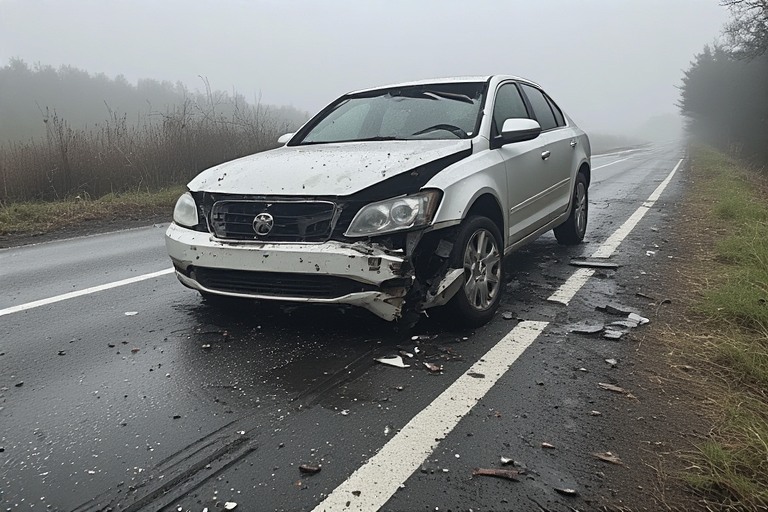
WARNING: PLPD insurance is the absolute minimum Michigan law requires. It does not cover damage to your own car, it does not cover theft or weather damage, and it does not cover you if an uninsured driver hits you. Drivers who choose PLPD on a newer or financed vehicle are one accident away from owing thousands of dollars on a car they can no longer drive.
Table of Contents
What Does PLPD Stand For?
PLPD stands for Personal Liability and Property Damage. It is a Michigan-specific term for liability insurance. In every other US state, you would call this the same thing by a different name: liability coverage, minimum coverage, or state minimum insurance.
The reason PLPD is uniquely associated with Michigan is simple. Michigan has one of the most complex auto insurance systems in the country due to its no-fault law. The term PLPD became the shorthand Michigan drivers, agents, and lawyers use to describe the liability portion of a Michigan no-fault policy.
Outside Michigan, PLPD as a standalone term is rarely used. If you are searching for PLPD insurance and you do not live in Michigan, what you are actually looking for is your state’s minimum liability auto insurance.
What Does Michigan Law Actually Require?
Michigan’s no-fault law requires three things from every registered vehicle owner:
1. Personal Injury Protection (PIP) PIP covers your own medical expenses, lost wages, and related costs after an accident, regardless of who caused it. Michigan drivers now choose their PIP level, ranging from unlimited coverage to limited options for those on Medicare or Medicaid.
2. Property Protection Insurance (PPI) PPI covers up to $1 million in damage your car causes to other people’s property in Michigan, such as a parked car, fence, or building. This is in-state only.
3. Residual Liability (PLPD) This is the component people actually mean when they say PLPD. It covers bodily injury and property damage you cause to others when you are at fault. Michigan’s current minimum limits under state law are:
| Coverage Type | Michigan Minimum | Recommended Level |
|---|---|---|
| Bodily injury per person | $50,000 | $250,000+ |
| Bodily injury per accident | $100,000 | $500,000+ |
| Property damage (out of state) | $10,000 | $100,000+ |
| PIP medical | Unlimited or limited options | Unlimited if no Medicare |
| PPI (in-state property) | $1,000,000 | $1,000,000 (standard) |
The state minimum of 50/100/10 looks adequate until you factor in the cost of a serious accident, a lawsuit, or a multi-vehicle crash. A single hospitalisation in 2026 can exceed $100,000 easily. The minimum bodily injury limit runs out fast.
What PLPD Insurance Covers
PLPD pays for harm you cause to other people and their property when you are at fault:
- Other people’s medical bills: If you cause a crash and injure the other driver or their passengers, PLPD covers their medical costs up to your policy limits.
- Other people’s lost wages: If your at-fault accident disables another person from working, PLPD can cover a portion of their lost income.
- Pain and suffering claims: If someone files a lawsuit against you for a serious accident, PLPD covers legal defence costs and settlement amounts up to your limits.
- Out-of-state property damage: If you cause an accident outside Michigan and damage another vehicle, PLPD covers that repair bill.
- Death benefits: If your at-fault accident causes a fatality, PLPD can cover compensation to the deceased’s family up to your limits.
What PLPD Insurance Does NOT Cover
This is the section that matters most. PLPD does not cover:
| What Happened | PLPD Pays? | What You Need Instead |
|---|---|---|
| Your car is damaged in a crash you caused | No | Collision coverage |
| Your car is totalled in a crash you caused | No | Collision coverage |
| Your car is stolen | No | Comprehensive coverage |
| Your car floods, catches fire, or is vandalised | No | Comprehensive coverage |
| An uninsured driver hits you | No | Uninsured motorist (UM) coverage |
| An underinsured driver hits you | No | Underinsured motorist (UIM) coverage |
| Your own injuries cost more than PIP pays | No | Higher PIP limits |
| You owe more on your car loan than the car is worth | No | GAP insurance |
🇺🇸 What PLPD Insurance Covers vs What It Misses (Michigan 2026)
Source: Michigan Auto Law / Goodman Acker / Legacy Partners Insurance
| Scenario | PLPD Pays? | Coverage Needed | Risk Without It |
|---|---|---|---|
| You injure another driver | Yes | Included in PLPD | Covered |
| You damage another car (out of state) | Yes | Included in PLPD | Covered |
| Your own car is damaged in crash you caused | No | Collision coverage | High Risk |
| Your car is stolen | No | Comprehensive coverage | High Risk |
| Fire, flood, or hail damage | No | Comprehensive coverage | High Risk |
| Uninsured driver hits you | No | Uninsured motorist (UM) | High Risk |
| You owe more than car is worth after total loss | No | GAP insurance | High Risk |
| Your own medical bills beyond PIP limits | No | Higher PIP limits | Moderate Risk |
PLPD protects others from you. It does not protect you from anything. Every red row above is a potential out-of-pocket cost.
That last row deserves its own section. If you financed your vehicle and a total loss leaves you owing $8,000 more than the car’s market value, PLPD does nothing for you. Our GAP insurance coverage guide explains exactly how that gap works and what it costs to close it.
How Much Does PLPD Insurance Cost in Michigan in 2026?
PLPD is the cheapest legal auto insurance option in Michigan. Average costs:
| Coverage Level | Average Annual Cost | Average Monthly |
|---|---|---|
| PLPD only (state minimum) | $1,880 to $2,190 | $157 to $183 |
| PLPD plus comprehensive | $2,100 to $2,500 | $175 to $208 |
| PLPD plus collision and comprehensive | $2,800 to $3,800 | $233 to $317 |
| Full coverage (all coverages combined) | $3,200 to $5,000+ | $267 to $417+ |
🇺🇸 Michigan Auto Insurance: PLPD vs Full Coverage Cost (2026)
Source: PLPD.com / Michigan average rates 2026 — rates vary by ZIP, age, and driving record
| Coverage Level | Average Annual Cost | Monthly Estimate | Protection Level |
|---|---|---|---|
| PLPD Only (State Minimum) | $1,880–$2,190 | $157–$183/mo | Minimum Only |
| PLPD + Comprehensive | $2,100–$2,500 | $175–$208/mo | Partial Cover |
| PLPD + Collision + Comprehensive | $2,800–$3,800 | $233–$317/mo | Good Cover |
| Full Coverage (All Coverages) | $3,200–$5,000+ | $267–$417+/mo | Best Cover |
PLPD is cheapest but covers nothing for your own vehicle. Full coverage costs more but protects your entire financial position.
Source: PLPD.com, Michigan average rates 2024-2026.
Michigan has historically ranked among the most expensive states for auto insurance in the US. PLPD keeps premiums lower by shifting the financial risk of most accident outcomes directly back to you.
What affects your PLPD premium in Michigan:
- Your age and driving record
- Your ZIP code (Detroit drivers pay significantly more than rural Michigan drivers)
- Your vehicle make, model, and year
- Whether you financed the vehicle
- Your chosen PIP coverage level
- Claims history (fraudulent or exaggerated claims on your record affect rates significantly, see our car insurance fraud guide for what counts as fraud and its consequences)
The PLPD Savings Formula
Use this to calculate whether PLPD makes financial sense for your specific vehicle:
PLPD Risk Score:

Vehicle market value: $________
Annual collision and comprehensive premium: $________
Your deductible: $________

Maximum collision payout = Vehicle value - Deductible
Annual cost of adding collision and comprehensive = Premium amount

If Annual Premium is more than 10% of (Vehicle Value - Deductible):
  Dropping to PLPD may make financial sense

Example:
2009 Ford Focus, market value: $5,500
Collision and comprehensive annual premium: $900
Deductible: $500

Max payout = $5,500 - $500 = $5,000
10% of $5,000 = $500
Annual premium ($900) is more than $500 = PLPD may make sense here

2022 Toyota Camry, market value: $26,000
Collision and comprehensive annual premium: $1,100
Deductible: $1,000

Max payout = $26,000 - $1,000 = $25,000
10% of $25,000 = $2,500
Annual premium ($1,100) is less than $2,500 = Keep full coverage
Real Case Study
A 34-year-old warehouse worker in Flint, Michigan switched to PLPD-only coverage on his 2019 Chevy Silverado to cut his insurance bill. He was paying $4,200 per year for full coverage and figured the savings were worth it.
Three months later, an uninsured driver ran a red light and totalled his truck. Market value at the time: $22,000. Remaining loan balance: $19,500. Insurance payout for his own vehicle: zero. His PLPD policy covered the other driver’s costs, but nothing for his own truck.
He still owed $19,500 on a vehicle sitting in a scrapyard. Without GAP insurance and without uninsured motorist coverage, he paid the loan off over the next 18 months while also financing a replacement vehicle.
Total cost of the decision to drop to PLPD: approximately $38,000 in debt that full coverage would have reduced to near zero.
Our claims denial guide covers the specific policy clauses insurers use to limit payouts in situations exactly like this.
PLPD vs Full Coverage: When to Choose Each
| Situation | PLPD Makes Sense | Full Coverage Makes Sense |
|---|---|---|
| Vehicle age | 10+ years old | Under 7 years old |
| Vehicle value | Under $5,000 | Over $10,000 |
| Vehicle financing | Paid off | Financed or leased |
| Personal savings | $10,000+ emergency fund | Limited savings |
| Driving area | Low traffic, low crime | Urban, high accident area |
| Driving record | Clean, experienced | Any prior claims |
Rule of thumb from The Hartford: If your annual collision and comprehensive premium exceeds 10% of your vehicle’s current market value, dropping to PLPD is worth considering. Below that threshold, full coverage is the financially safer choice.
PLPD Insurance and Michigan’s Mini-Tort Law
One piece of Michigan law that affects PLPD drivers directly: the mini-tort clause. Under Michigan’s mini-tort law, if you are at fault for damage to another driver’s vehicle and they have a deductible, you can be liable for up to $3,000 of that deductible.
This means even with PLPD, another driver can sue you for up to $3,000 in a minor at-fault accident. Most PLPD policies include mini-tort coverage up to this limit, but always confirm with your insurer before assuming it is included.
How to Get the Cheapest PLPD Insurance in Michigan: Step-by-Step
Step 1: Know your vehicle’s current market value Use Kelley Blue Book or Carmax for an accurate current valuation before deciding on coverage level.
Step 2: Run the savings formula above Calculate whether the collision and comprehensive premium is more than 10% of your vehicle’s payout value.
Step 3: Check your loan or lease agreement If you still owe money on the vehicle, your lender almost certainly requires full coverage. PLPD on a financed vehicle can violate your loan agreement.
Step 4: Compare quotes from multiple Michigan insurers Progressive, State Farm, GEICO, and Elephant Insurance all offer Michigan PLPD quotes online. Local agencies like PLPD Inc. in Mt. Pleasant also specialise in Michigan minimum coverage.
Step 5: Choose your PIP level carefully Michigan’s PIP choice is separate from PLPD and significantly affects your total premium. Drivers who qualify for Medicare or Medicaid can opt for a lower PIP level, cutting premiums by hundreds per year.
Step 6: Ask about Michigan-specific discounts Multi-policy bundling, telematics programs, and paid-in-full discounts can reduce even a PLPD premium by 10-25%.
PLPD Insurance: Frequently Asked Questions
Q: Does PLPD cover me if I am hit by an uninsured driver? No. PLPD only covers harm you cause to others. If an uninsured driver hits you, you need uninsured motorist coverage to recover costs for your vehicle and your injuries beyond PIP.
Q: Is PLPD the same as liability insurance? Yes, functionally. PLPD is Michigan’s term for what every other state calls liability insurance or minimum coverage. The specific components under Michigan’s no-fault law differ slightly from standard liability policies in other states.
Q: Can I get PLPD insurance on a financed car? Legally yes, but practically no. Most lenders require full coverage (collision and comprehensive) as a condition of the loan. Dropping to PLPD on a financed vehicle can trigger a force-placed insurance policy from your lender, which is more expensive than full coverage from your own insurer.
Q: How much does PLPD cost per month in Michigan? Between $157 and $183 per month on average for state minimum PLPD in Michigan. Your actual rate depends on your age, ZIP code, driving record, and chosen PIP level.
Q: What is the difference between PLPD and no-fault insurance? No-fault insurance is the overall system Michigan uses, meaning your own insurance pays your medical bills regardless of who caused the accident. PLPD is the liability portion of a no-fault policy that covers harm you cause to others when you are at fault.
Q: Does PLPD cover car theft in Michigan? No. Theft requires comprehensive coverage. PLPD covers nothing related to damage to your own vehicle under any circumstances.
Q: Is PLPD insurance enough for most Michigan drivers? For older, fully-paid vehicles worth less than $5,000, PLPD can make financial sense. For any financed vehicle, newer vehicle, or driver without significant savings to self-insure their own car, PLPD is a risky choice. Consider it a starting point, not an endpoint.
Verification Table
| Claim | Source |
|---|---|
| PLPD stands for Personal Liability and Property Damage | Michigan Auto Law |
| Michigan minimum limits: 50/100/10 | Legacy Partners Insurance |
| PLPD average cost $1,880-$2,190/year | PLPD.com |
| Mini-tort liability up to $3,000 | Goodman Acker |
| 10% rule for dropping collision coverage | The Hartford |
| Michigan no-fault PIP levels | The Clark Law Office |
| Lenders require full coverage on financed vehicles | Valor Insurance |